
Beyond the Surface: 10 Deep Cleaning Soap Tricks You Need to Try
Does your weekly wipe-down leave a lingering film of grime? Do you find yourself spraying and scrubbing, only to see streaks and stains stubbornly clinging to surfaces? You’re not alone.
Table of Contents
The secret weapon professional cleaners and savvy homeowners rely on isn’t a fancy, expensive product with a long chemical name. It’s something simpler, more versatile, and probably already in your cabinet: Deep Cleaning soap.
Forget everything you think you know about a simple bar or bottle. When used intentionally, soaps like castile, dish soap, or classic laundry bars transform from basic cleaners into powerful, grease-fighting, stain-lifting solutions.
What is Deep Cleaning Soap & Why It Works Better
When we say “Deep Cleaning Soap,” we’re not talking about the fragrant, moisturizing bar you use at the sink. This is a specific category of soaps chosen for their exceptional ability to cut through the toughest grime, not just freshen up a surface.
It’s the difference between giving your kitchen a quick once-over and actually degreasing it. But what exactly makes these soaps the MVP of a serious cleaning session?
Here’s the simple science of why it works so well (no chemistry degree required!):
- Grease is the Enemy: Most stubborn dirt—kitchen grease, soap scum, body oils—is oily. Oil and water famously don’t mix, which is why water alone can’t wash it away.
- Soap is the Mediator: The molecules in deep cleaning soaps have a special structure. One end is attracted to water (hydrophilic), and the other is attracted to oil and grease (hydrophobic).
- The Lift-Off Effect: When you apply soap and agitate it with a brush or sponge, the oil-loving ends burrow into the grease. The water-loving ends face outward, allowing the whole greasy mess to be surrounded, lifted, and rinsed away with water.
Think of it like this: your everyday cleaner might polish the surface, but Deep Cleaning soap gets underneath the grime, lifts it, and washes it down the drain. It’s a fundamental, mechanical cleaning action that’s both highly effective
Your Ultimate Deep Cleaning Soap Toolkit
This is your essential toolkit—four powerhouse options that will handle 95% of your toughest cleaning challenges.
Liquid Castile Soap: The All-Purpose Natural Cleaner
- What it is: A plant-based soap (often olive, coconut, or hemp oil) famous for its purity and versatility. Brands like Dr. Bronner’s are popular examples.
- Why it’s a deep cleaner: It’s highly concentrated and free from synthetic detergents or harsh chemicals, making it tough on grime but gentle on surfaces and the environment. It cuts through grease effectively and rinses clean without residue.
- Best for: All-purpose floor cleaners, wall washes, wood floor cleaning (when diluted properly), and homemade sprays for countertops. Its natural formula makes it ideal for homes with kids, pets, or allergies.
Classic Bar Soaps (Like Fels-Naptha): The Stain-Lifting Champion

- What it is: A sturdy, old-fashioned laundry bar soap with a distinct, clean scent.
- Why it’s a deep cleaner: These bars are formulated specifically to attack organic stains like grass, grease, food, and makeup. They can be used directly on fabric or grated into a potent paste.
- Best for: Pre-treating laundry stains (simply wet the stain and rub the bar directly on it), making a heavy-duty scrub paste for outdoor furniture, or tackling greasy tool messes in the garage.
Blue Dawn Dish Soap: The Grease-Fighting Powerhouse
- What it is: The iconic, concentrated dishwashing liquid. Its original blue formula is legendary among cleaning pros.
- Why it’s a deep cleaner: It’s an exceptionally powerful degreaser and surfactant. It breaks down sticky, baked-on fats and oils that other cleaners can’t touch, and it’s safe on a wide variety of surfaces when diluted.
- Best for: Kitchen nightmares—degreasing oven hoods, stovetops, and pans. It’s also miraculous for gentle spot-cleaning carpets and upholstery and is a key ingredient in DIY floor cleaners.
Grated Soap Paste: Your DIY Secret Weapon
- What it is: Not a store-bought product, but a game-changing method. It’s made by grating a bar of hard soap (like Fels-Naptha, Ivory, or even a leftover sliver of Castile) and mixing it with a small amount of hot water to form a thick, spreadable paste.
- Why it’s a deep cleaner: This paste allows you to apply concentrated cleaning power directly to a vertical or heavily soiled surface, where it can cling and penetrate without dripping. The mild abrasion from the paste grit enhances scrubbing power.
- Best for: Vertical surfaces (shower walls, tile grout, appliance sides), spot-treating stains on carpets or upholstery before they set, and scrubbing extra-grimy areas like garbage can lids or patio furniture.

Pro Tip: Start with just one or two of these soaps to simplify your routine. A bottle of blue Dawn and a bar of Fels-Naptha can create an incredibly effective deep-cleaning duo for almost any task.
Room-by-Room Deep Cleaning Soap Hacks
Now for the practical magic. Let’s put your Deep Cleaning soap toolkit to work with targeted, step-by-step solutions for the areas that need it most. These hacks are designed to be effective, economical, and easy to follow.
Kitchen Deep Clean: Degrease Everything
The kitchen is ground zero for sticky, baked-on grease. Here’s how to conquer it.
- Stovetop & Oven Hood Degreaser: For cooked-on splatter, make a Grated Soap Paste using a Fels-Naptha bar or a paste of Blue Dawn and baking soda. Apply thickly to cool surfaces, let sit for 15-20 minutes to penetrate, then scrub with a non-scratch sponge and wipe clean. The soap cuts the grease while the paste consistency holds it in place.
- Greasy Vent Filter Soak: Remove your metal or plastic range hood filter. Fill the sink or a bucket with the hottest water you can safely use and add a generous squirt of Blue Dawn. Soak the filter for 30 minutes (or overnight for heavy grease). Watch the grease literally float away, then rinse.
- Cutting Board Sanitizer: After washing, disinfect wooden or plastic boards by scrubbing them with a paste of Liquid Castile Soap and coarse salt. The soap cleans while the salt provides mild abrasion. Rinse thoroughly.
Bathroom Deep Clean: Eliminate Soap Scum & Mildew
Banish the pink mold and cloudy film with these soap-based solutions.
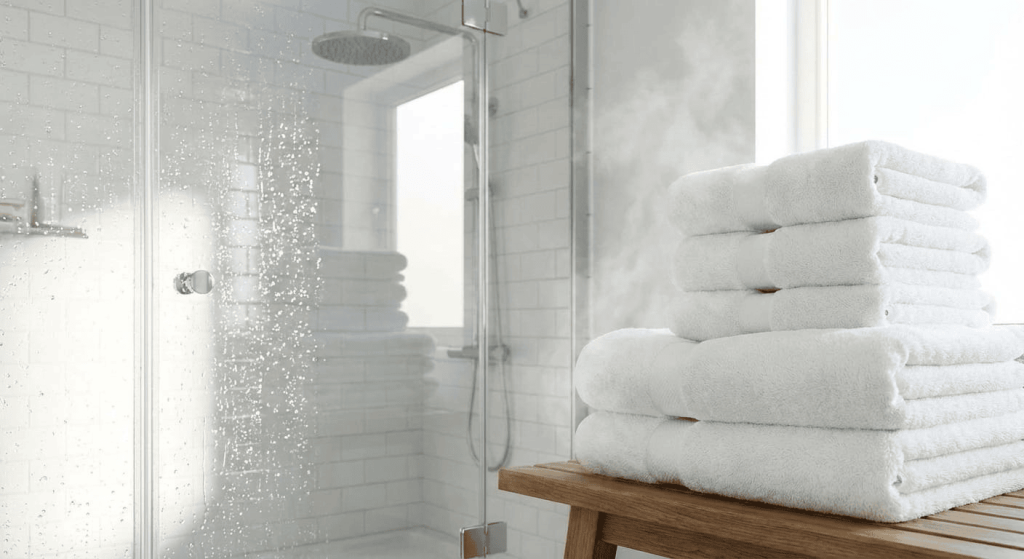
- Shower Door & Tile Scrub: In a spray bottle, mix 1 part Liquid Castile Soap with 4 parts white vinegar and 5 parts water. Spray liberally on tiles and glass, let sit for 5 minutes to break down scum, then scrub with a brush and rinse. For heavy scum, use a Grated Soap Paste directly on a sponge.
- Toilet Bowl Stain Remover: Sprinkle baking soda around the bowl, then drizzle with Liquid Castile Soap or a squirt of Blue Dawn. Add 1 cup of white vinegar, let the fizzy reaction work for 10-15 minutes, then scrub with a toilet brush and flush. The soap boosts the cleaning power of the vinegar and baking soda.
- Grout Cleaning Paste: Make a thick paste of baking soda, hydrogen peroxide (or water), and a few drops of Blue Dawn. Apply to grout lines with an old toothbrush, let sit for 10 minutes, then scrub and rinse. The soap helps the paste adhere and penetrate deep into the porous grout.
Living Area & Laundry Deep Clean
Extend that deep-clean freshness to fabrics and forgotten surfaces.
Wall & Baseboard Refresh: Add 1/4 cup of Liquid Castile Soap to a bucket of warm water. Use a microfiber mop for walls and a cloth for baseboards. This gentle solution removes dust, smudges, and light grease without damaging paint or leaving a chemical residue.
Upholstery & Carpet Spot Treatment: For fresh stains (food, grease, mud), mix 1 tbsp of Blue Dawn with 2 cups of warm water.
Laundry Pre-Treat Power: For collar grime, underarm stains, or grass marks, wet the stain and rub it directly with a Fels-Naptha bar. Let it sit for 10 minutes before tossing the item into the wash. It’s the most effective natural pre-treater you’ll ever use.
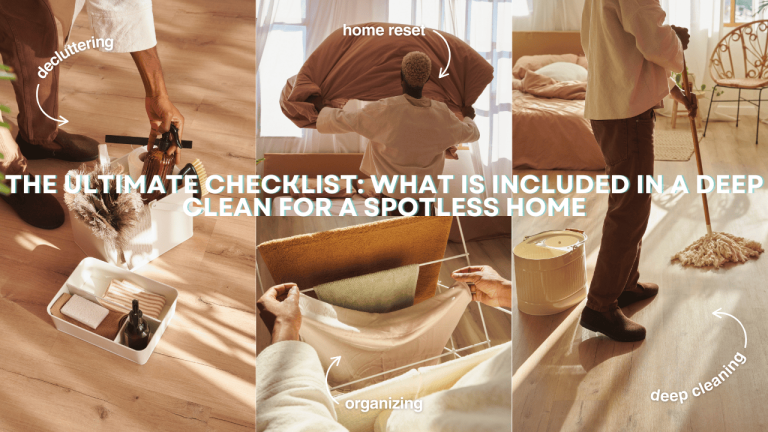
Read More About What Is Included in a Deep Clean
Pro Tips & Safety for Using Deep Cleaning Soap
These professional guidelines will help you clean smarter, not harder, and protect your home in the proce
- The Golden Rule: Always Spot Test First
- Before using any new cleaning solution—especially a concentrated one—on a large or visible area, always conduct a spot test.
- How to: Apply a small amount of your diluted soap solution or paste to an inconspicuous area (like a corner of the carpet, a spot behind the sofa, or a hidden section of countertop).
- Wait & Check: Let it sit for the full recommended time, then wipe or rinse it away. Check for any adverse effects like discoloration, fading, or texture changes after the area is completely dry.
The Power of Pairing: Soap + Warm Water + Time
Remember, Deep Cleaning soap is a tool, not a magic potion. For it to work its best, you need to set the stage.
- Warm Water is Key: Warm or hot water (as safe for the surface) helps melt grease and fats, making the soap’s job much easier. It also helps dissolve and rinse away the soap and grime mixture completely, preventing film or residue.
- Let it Dwell: Don’t just spray and wipe immediately. Whether it’s a paste on the stove or a spray in the shower, give the soap solution 5-15 minutes of dwell time to penetrate, break bonds, and soften the grime. This drastically reduces the elbow grease required.
What NOT to Mix With Soap
While Deep Cleaning soap is versatile, chemical safety is paramount. Never mix soap-based cleaners with certain other common household products.
- Do Not Mix with Bleach: Combining liquid soap (particularly anything containing ammonia, which some all-purpose cleaners do) with bleach can create toxic chloramine gases. If you disinfect with bleach, rinse the soap-cleaned surface thoroughly with water first, then apply your bleach solution separately.
- Do Not Mix with Vinegar (for Castile Soap): While vinegar and Blue Dawn work famously together, avoid mixing vinegar directly with Liquid Castile Soap. Castile soap is alkaline, and vinegar is acidic. Combining them in a bottle can cause them to neutralize each other, reducing cleaning power and potentially creating a curdled, clogging mixture. It’s better to use them in sequence (e.g., soap scrub, then vinegar rinse) rather than pre-mixing.
- A Good General Rule: For homemade solutions, keep it simple. Soap + Water + an optional mild abrasive (like baking soda) is a safe and powerful trio. When in doubt, don’t mix.
Conclusion
Deep cleaning doesn’t have to mean an arsenal of harsh chemicals or a bewildering array of specialty products. As we’ve seen, the true secret lies in mastering a few foundational heroes: Deep Cleaning soap.
You’ve learned the science of how soap lifts away dirt, discovered room-specific hacks for kitchens, bathrooms, and beyond, and gathered the pro tips to clean safely and effectively. The goal isn’t perfection—it’s progress. A truly clean home is built on understanding these powerful basics and applying them consistently.
So, don’t let the thought of spring cleaning (or that one stubborn shower scum) overwhelm you. Pick one hack—maybe degreasing those vent filters or pre-treating a laundry stain—and experience the satisfaction of a genuinely deep clean. You might just find that the most powerful cleaner has been in your home all along.
FAQs
Is “Deep Cleaning Soap” a specific product I need to buy?
Not necessarily! “Deep Cleaning Soap” refers more to a method of using specific, potent soaps for tough jobs. You don’t need a product with that exact label. Effective options you likely already own include original blue Dawn dish soap (a degreaser), pure castile soap (an all-purpose cleaner), or a laundry bar soap like Fels-Naptha (a stain-lifter). The key is choosing a soap formulated for cutting grease and grime, not just for gentle skin cleansing.
Can I use Deep Cleaning soap on all surfaces?
Mostly, yes, but always spot test first. While generally safe, concentrated solutions can potentially damage certain delicate surfaces. Avoid using soap-based cleaners on: untreated natural stone (like marble or limestone), unsealed wood, or waxed surfaces, as they can leave residue or dull the finish. For sealed surfaces, tile, porcelain, glass, and most plastics, they are excellent. The golden rule: test in a hidden area before full application.
Will using soap leave a filmy residue on my surfaces or glass?
It shouldn’t, if you rinse properly. Residue usually comes from using too much soap or not rinsing thoroughly with clean water. Always follow the “less is more” principle and dilute your soap appropriately (especially castile soap). For streak-free glass (like shower doors), a final wipe-down with a clean microfiber cloth or a vinegar-water solution after rinsing can ensure a crystal-clear finish.
Is it safe to mix Deep Cleaning soap with vinegar or baking soda?
It depends on the soap.
With Baking Soda: Yes! This is a safe and powerful combo. The baking soda provides mild abrasion and helps deodorize, while the soap cuts grease. This is the base of many effective pastes.
With Vinegar: Use caution. Vinegar and Blue Dawn work well together in a solution. However, do not mix vinegar directly with Liquid Castile Soap in a bottle, as they can neutralize each other and create a curdled mess. It’s better to use them in sequence—clean with soap, then disinfect/rinse with vinegar.